A Stan Klos Website
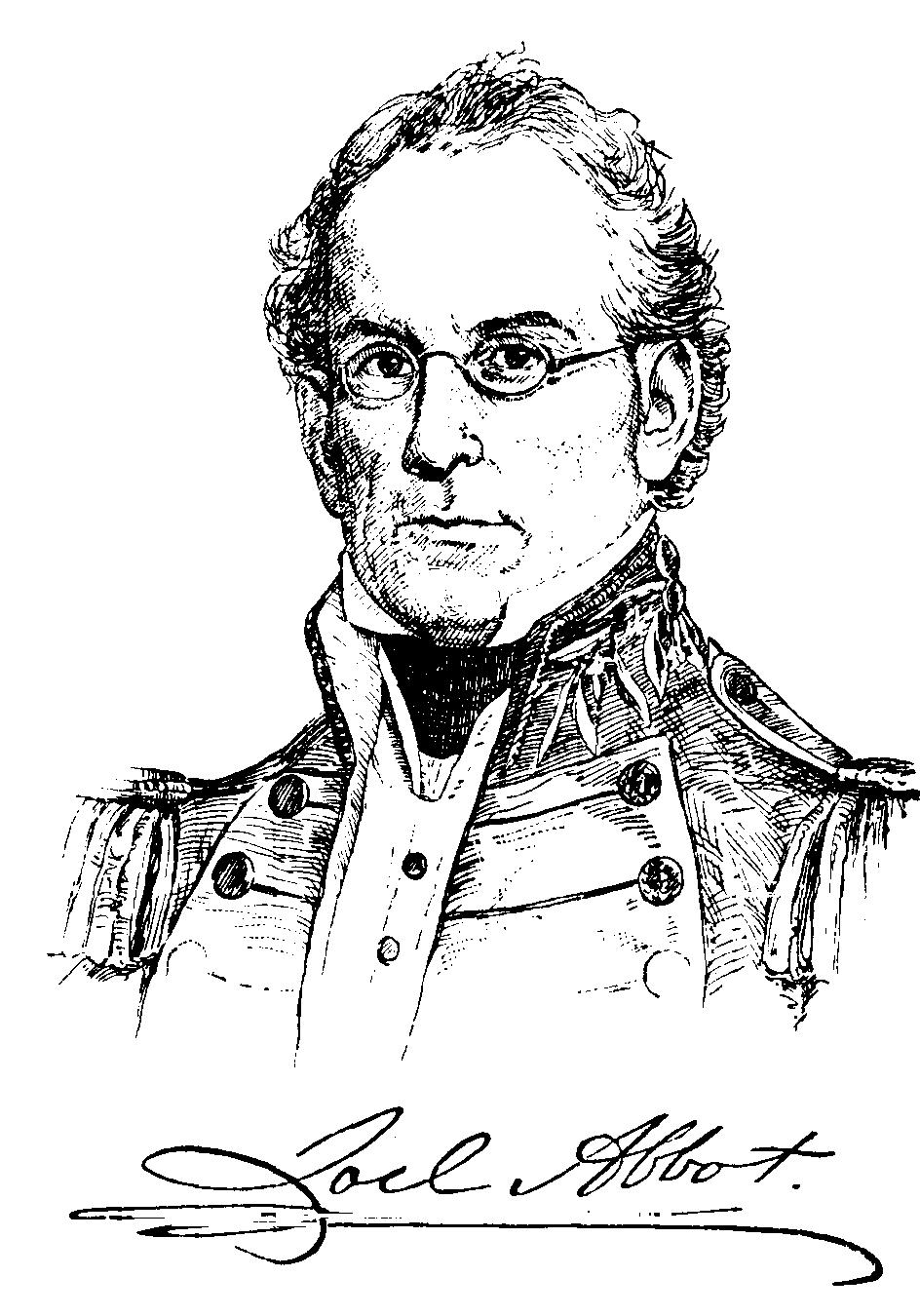
ABBOT, Joel, naval officer, born
in Westford, Massachusetts, 18 January, 1793; died in Hong Kong, China, 14
December, 1855. He was appointed midshipman at the outbreak of the second war
with England, and was ordered to the frigate "President" as aid and signal
officer to Commodore Rodgers, who, impressed by his zeal and efficiency,
recommended him to Commodore Thomas Macdonough, then in command of the naval
forces on Lake Champlain.
Learning that the British had
accumulated a large supply of spars at Sorel, Quebec, Macdonough sent for
Midshipman Abbot and asked him if he was willing to die for his country.
"Certainly, sir; that is what I came into the service for," was the answer.
Macdonough then told him what he wished done, and young Abbot, disguised as a
British officer, entered the enemy's lines, taking the risk of being hanged as a
spy in case of capture, discovered where the spars were stored, and destroyed
them.
Such were the hardships and dangers
encountered during this expedition that when he reported to his commanding
officer he was in a state of prostration, from the effects of which he was long
in recovering. For this exploit and for gallantry in action off Cumberland Head
in the Battle of Plattsburgh, 11 September 1814, he was promoted lieutenant, and
congress voted him a handsome sword. During the remainder of the war he had no
further opportunity for distinction, though at one time he quelled a formidable
mutiny.
In December 1818, he was placed in
charge of a 30-gun pirate craft, the "Mariana," captured by Com. Stockton off
the African coast. On the voyage to Boston part of his crew mutinied, and the
piratical prisoners succeeded in wrenching off their irons, during a terrible
gale. Notwithstanding this seemingly hopeless state of affairs, Lieutenant Abbot
regained command of his crew, kept the mutineers at bay, and brought his ship
safely into port.
In 1838 he was promoted commander,
serving on the various foreign squadrons, and from 1839 to 1842 was in command
at the Boston navy yard. In 1852 he commanded the "Macedonian" in the Japan
expedition, succeeding Commodore Perry as flag officer of the squadron. During
this critical period of our relations with China he was often called upon to
perform delicate diplomatic duties, discharging them to the complete
satisfaction of the government.
He probably shortened his life by
devotion to the interests of commerce in personally superintending the placing
of buoys and a lightship in the harbor of Shanghai, which for the first time
then had its channels and sailing courses properly defined.
Edited Appletons Encyclopedia, by John Looby Copyright © 2001 StanKlos.comTM
ABBOT, Joel, naval officer, born in Westford, Massachusetts, 18 January, 1793; died in Hong Kong, China, 14 December, 1855. He was appointed midshipman at the outbreak of the second war with England, and was ordered to the frigate "President" as aid and signal officer to Com. Rodgers, who, impressed by his zeal and efficiency, recommended him to Com. Macdonough, then in command of the naval forces on Lake Champlain. Learning that the British had accumulated a large supply of spars at Sorel, Macdonough sent for Midshipman Abbot and asked him if he was willing to die for his country. "Certainly, sir ; that is what I came into the service for," was the answer. Macdonough then told him what he wished done, and young Abbot, disguised as a British officer, entered the enemy's lines, taking the risk of being hanged as a spy in case of capture, discovered where the spars were stored, and destroyed them. Such were the hardships and dangers encountered during this expedition that when he reported to his commanding officer he was in a state of prostration, from the effects of which he was long in recovering. For this exploit and for gallantry in action off Cumberland Head, 11 September 1814, he was promoted lieutenant, and congress voted him a handsome sword. During the remainder of the war he had no further opportunity for distinction, though at one time he quelled a formidable mutiny. In December 1818, he was placed in charge of a 30-gun pirate craft, the "Mariana," captured by Com. Stockton off the African coast. On the voyage to Boston part of his crew mutinied, and the piratical prisoners succeeded in wrenching off their irons, during a terrible gale. Notwithstanding this seemingly hopeless state of affairs, Lieutenant Abbot regained command of his crew, kept the mutineers at bay, and brought his ship safely into port. In 1838 he was promoted commander, serving on the various foreign squadrons, and from 1839 to 1842 was in command at the Boston navy yard. In 1852 he commanded the " Macedonian" in the Japan expedition, succeeding Com. Perry as flag officer of the squadron. During this critical period of our relations with China he was often called upon to perform delicate diplomatic duties, discharging them to the complete satisfaction of the government. He probably shortened his life by devotion to the interests of commerce in personally superintending the placing of buoys and a lightship in the harbor of Shanghai, which for the first time then had its channels and sailing courses properly defined.